Lawn Care
Lawn Care
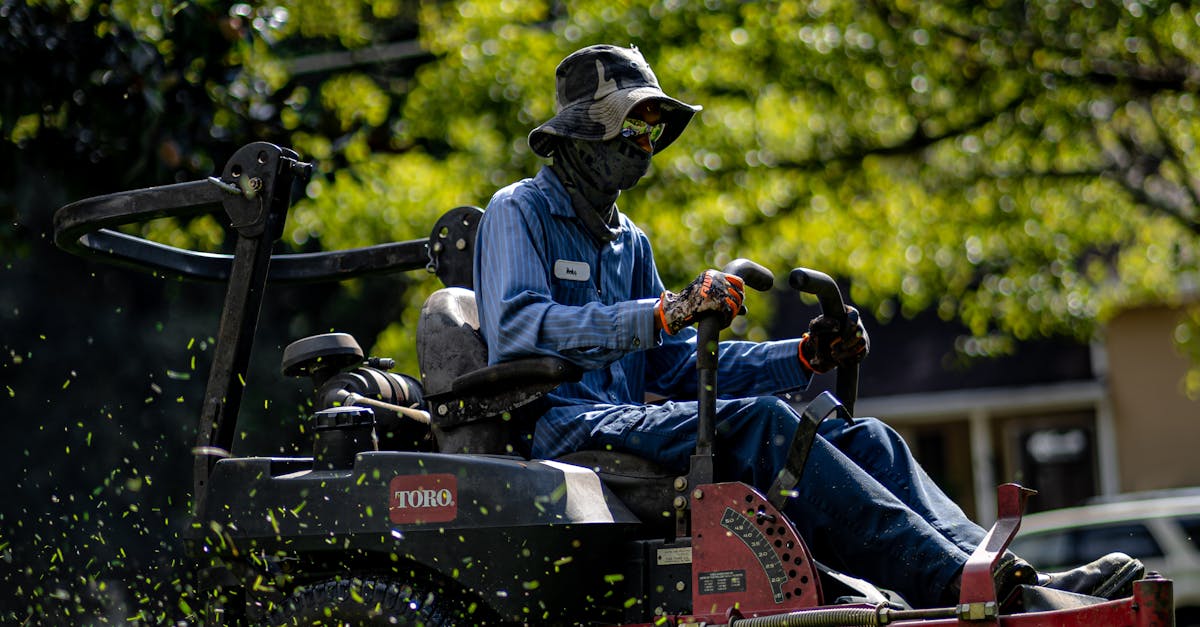
Maintaining a lush and healthy lawn requires a consistent approach to Grass cutting and edging. It’s not just about keeping the grass at a manageable height; proper grass cutting and edging ensures that your yard looks neat and tidy, enhancing the overall appearance of your home. This aspect of lawn care is essential for preventing overgrowth and allowing sunlight to reach the roots of your grass, which promotes healthy growth. Engaging in regular maintenance practices, such as grass cutting and edging, can also help control weeds and pests, creating a thriving environment for your outdoor space.
Moreover, grass cutting and edging play a crucial role in establishing a well-defined landscape. Edging creates clear boundaries between your lawn and garden beds, walkways, or driveways, offering a polished look to your yard. By focusing on the details of grass cutting and edging, homeowners can ensure their lawn not only looks beautiful but also remains healthy throughout the seasons. Investing time in these practices can significantly enhance the curb appeal of your property while providing a pleasant space for outdoor activities and relaxation.
Best Grass Food for Lush Development
Maintaining your yard demands suitable food to promote lush appearance. Selecting top food can create a significant difference in how your lawn flourishes. Natural options, such as manure, are not only enrich the soil but also foster beneficial microbes. Synthetic food might deliver quick results, making these options ideal for those seeking fast improvements.
To ensure results, consider your unique needs of your yard when using food. Evaluating your soil can assist you determine which components are needed. Using a balanced food that includes nitrogen is essential for promoting healthy roots and general lawn health. Frequent application of such food will ensure that your lawn remains vibrant and beautiful throughout the growing season.
Exploring Different Food and What They Advantages
Food are essential for maintaining a healthy lawn. Exploring various types of fertilizers available can help homeowners make informed decisions. Natural fertilizers, such as compost and manure, offer slow-release nutrients that improve soil quality. Chemical fertilizers, on the other hand, generally deliver quick results, supplying essential elements like nitrogen, phosphorus, and potassium. Each type has its own set of uses that cater to specific lawn needs.
The right choice of fertilizer can significantly impact lawn health. Natural options not only nourish the grass but also enrich the soil, promoting beneficial microbial activity. Chemical fertilizers usually result in faster growth, making them ideal for quick fixes. Exploring the benefits of each type allows homeowners to tailor their lawn care strategies effectively. Choosing the right fertilizer based on soil condition, grass type, and climate can lead to a lush, green lawn that stands out in any neighborhood.
Moisture Techniques for a Thriving Grass
The crucial element of upkeeping a yard lies in proper moisture strategies. Familiarizing oneself with the irrigation needs of your grass is vital to its overall health. Thorough watering, that fosters deep root growth, needs to be done less frequently but more extensively. Such an approach guarantees that the roots reach lower soil layers, in which they can find moisture even during warmer periods.
In addition, the schedule of irrigation holds a key role in grass maintenance. Watering early or in the late afternoon helps minimize evaporation, enabling more moisture to penetrate the soil. Applying a drip irrigation system can also be a effective choice, as it delivers water directly to the roots. By adopting these methods, you can enhance the vibrancy of your grass while saving water resources.
Advice on Smart Watering for Conserve Resources
Watering is a key element of yard upkeep. For the purpose of utilize water resources, it is essential to irrigate at the less hot periods of the daytime, such as early morning or late evening. This prevents evaporation and guarantees that the turf takes in the highest amount of water.
Utilizing a strategic watering system, like soaker hoses, may help in directing the moisture where it is most needed. Also, monitoring the climate can assist in adjusting the irrigation schedule based on the amount of rain and climate conditions. This is not only saves water usage but furthermore maintains a healthy and vibrant yard.
Understanding Importance of Soil Aeration in Lawn Care
Soil aeration serves a essential role in maintaining lawn care. By disturbing the compacted soil, soil aeration enables air to infiltrate the roots more efficiently. This improved air availability encourages deeper root growth, leading to stronger grass. Furthermore, it promotes the absorption of water and nutrients, resulting in a more lush lawn that can better tolerate drought and diseases.
Exploring the significance of soil aeration is essential for any lawn care regimen. Regular aeration helps in alleviating soil compaction, which is often caused by foot traffic and heavy equipment usage. Without proper aeration, lawns can become sparse and more susceptible to weeds. Implementing a routine aeration schedule can transform your lawn, ensuring it remains healthy and vibrant. Taking the time to perform aeration can lead to a more durable lawn that is more manageable to maintain.
How Aeration Benefits Your Lawn by Improving Soil Quality
Aeration is often a important process in improving your grass condition. The method involves making small openings in the ground that increase the circulation in oxygen as well as water into the roots of the lawn. It enhances root establishment that contributes to a lusher lawn as a whole.
In addition, soil aeration can assist reduce soil compaction that typically happens due to prolonged activity or machinery. Through enhancing the quality, this enables essential nutrients for reach deeper levels of the soil, ensuring that your lawn gets the nourishment it requires to thrive. All in all, soil aeration serves as a key factor for maintaining an thriving lawn.